

Research shows that when treating addictions to opioids (prescription pain relievers or drugs like heroin or fentanyl), medication should be the first line of treatment, usually combined with some form of behavioral therapy https://art-apple.ru/displayimage.php?pos=-3032 or counseling. Medications are also available to help treat addiction to alcohol and nicotine. Studies of outcome of addiction treatment may use one term or the other, but they typically measure the same effects.
Drug Recovery Statistics
- The purpose of this study was to explore the habits and routines of individualscurrently in early recovery from SUD and to describe the phenomenon of time in earlyrecovery.
- Different types of medications may be useful at different stages of treatment to help a patient stop abusing drugs, stay in treatment, and avoid relapse.
- Patients in rural or underserved areas may lack access to treatment or have limited transportation options.
- On these 2 occasions, if aparticipant consented, they completed the corresponding outcome measures for thequantitative data collection.
- • Identity—shifting towards a new, positive view of oneself, one more aligned with one’s deeper values and goals, one built on self-confidence gained by acquiring new skills and new behaviors.
Since 1975 the MTF survey has measured drug and alcohol use and related attitudes among adolescent students nationwide. Because addiction is a lifelong chronic disease, treatment is always ongoing, even when not in a treatment center or therapy. Unfortunately, many addicts do not have a support system to strengthen their recovery. Some addicts lose their support systems due to repeated failures to reach sobriety or never had stable support from the start.
- “We’ve had to do that in response to what has happened in the community, but also to be able to offer more services and to give people more attention.
- Several factors can either aid or complicate the success rate of addiction recovery programs.
- One nationally-representative survey (i.e. able to derive national estimates from the study), found that nearly 1 in 10 adults in the U.S. had resolved a significant alcohol or other drug problem, and half of those identified as being “in recovery”.
- Participant3 stated, “I used to come from work, go get my drugs and use until I passout.
Different Pathways, Similar Approaches: Recovery from Cannabis Use Disorder
In other words, the participants are not currently implementing newactivities into their current routines. Participants highlighted things that they want to do in the nearfuture (ie, gym, work, gardening, etc.). For some people, committing to complete abstinence is not desirable or is too daunting a prospect http://mostinfo.net/soft/12/332.htm?s=10 before beginning treatment. In fact, there is growing support for what is called harm reduction, which values any moves toward reducing the destructive consequences of substance abuse. Researchers find that taking incremental steps to change behavior often motivates people to eventually choose abstinence.
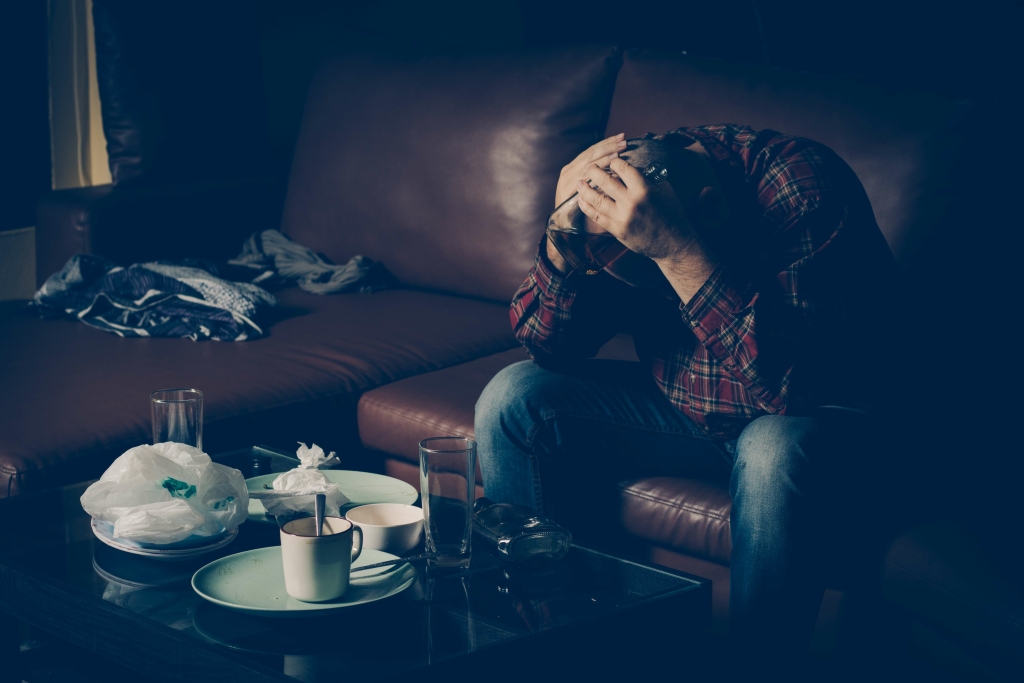
Opioid Abuse
For example, having no support system, other co-occurring mental illnesses, and barriers to access treatment can make recovery more difficult to achieve. One-on-one psychotherapy is often used at every stage of addiction treatment and recovery support. However, it’s not impossible for individuals to self-treat their addiction. People with mild or moderate substance abuse issues commonly report cases of successful self-treatment. Even still, self-treatment usually takes longer and is far more difficult for individuals to manage on their own. Unlike addiction treatment, addiction recovery refers to life after treatment is complete.

There is life after addiction. Most people recover
- IBut spiritual freedom can be part of healthy recovery if one understand it more clearly.
- For substance use specifically, of the 29.0 million adults who perceived that they ever had a substance use problem, 72.2% (or 20.9 million) considered themselves to be in recovery or to have recovered from their drug or alcohol use problem.
Data from federal agencies shows concerning rates of drug and alcohol abuse among adolescents and adults in 2021. Those in recovery were more likely to report lifetime injection drug use compared with those who are not in recovery. Substance use problems are likely to be on a spectrum, from a severe and chronic SUD with many substance-related consequences to more discrete episodes of binge drinking that may have led to a family or legal consequence. Those with more http://delenadiaries.com/moderka/page,1,4,999-citatnik-dejmona.html severe substance use problems may be more likely to suffer more severe and cumulative consequences making it more likely, in turn, that they would seek SUD treatment, increasing the chances of resolving their problem. This also exposes them to the idea of abstinence and in adopting a social recovery identity. This may partially explain the decreased likelihood of those in recovery to report past-year substance use compared with those who are not in recovery.
- One study from the University of Pittsburgh found a correlation between time spent scrolling through social media apps and negative body image feedback.
- Participant 3 stressed the difficulty of repetitive unused time and notedthat it helpful when there is something that is recurring (ie, IOP group)each week to rely on in order to fill up time.
- Ofthat, the particular activity was new one time (3.0%) and important 3 times(9.1%).
- Understanding the reasons behind relapse and how it happens is crucial in developing better support systems and treatment methods for those battling addiction.
- The United States faces a complex and evolving crisis when it comes to substance use disorders (SUDs).